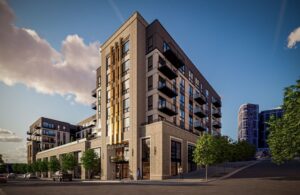


The completion of a new high-rise development marks an exciting milestone for developers, boards, property managers, and residents alike. Modern construction, luxury amenities, energy-efficient systems, and contemporary designs create strong appeal for buyers and tenants. However, the first year following occupancy is often one of the most critical periods in a building’s lifecycle.
While new properties are designed to perform at a high standard, the transition from construction site to fully occupied community frequently reveals operational challenges that require immediate attention. Building systems experience real-world usage for the first time, resident expectations begin to shape service demands, and minor construction deficiencies may surface under daily conditions.
Successfully managing new construction condos during this crucial period requires a proactive strategy focused on maintenance, communication, risk management, and resident satisfaction. Communities that address potential issues early are more likely to preserve property values, reduce future expenses, and establish a positive reputation among residents.
This guide explores the most common first-year challenges facing high-rise communities and outlines practical strategies for preventing costly problems before they impact operations.
Why the First Year Is Critical for High-Rise Communities
The first twelve months after occupancy are often referred to as the stabilization phase. During this period, property managers gain valuable insight into how building systems perform under normal operating conditions.
Construction projects undergo extensive testing before completion, but actual occupancy introduces variables that cannot always be replicated during development. Increased water usage, HVAC demand, elevator traffic, parking activity, and amenity utilization place systems under continuous stress.
As a result, property managers often encounter operational issues that require adjustments, inspections, and preventive action.
For communities focused on managing new construction condos, the goal is not simply responding to problems but identifying potential concerns before they affect residents.
A structured first-year strategy helps communities establish strong operational foundations while reducing the likelihood of recurring issues.
Common Challenges in Newly Constructed High-Rises
Even well-built luxury properties can experience challenges during the first year. Most issues are manageable when identified early and addressed through proper oversight.
Some of the most common concerns include:
Mechanical and Building System Adjustments
Heating, cooling, plumbing, electrical, and automation systems often require calibration after occupancy begins.
Equipment that performs perfectly during testing may operate differently once hundreds of residents begin using the building daily. Monitoring system performance during the first year helps identify inefficiencies before they become larger operational concerns.
Resident Service Expectations
New residents typically move into luxury developments with high expectations regarding responsiveness, maintenance, and communication.
This can contribute to various Nashville luxury apartment complaints, particularly if service procedures are unclear or management teams struggle to address issues quickly.
Clear communication and proactive resident engagement help minimize dissatisfaction and establish confidence in management operations.
Vendor Coordination Challenges
Many new communities work with multiple contractors simultaneously during the warranty period. Coordinating inspections, repairs, and follow-up work requires strong organization and communication.
Without clear processes, scheduling conflicts and delayed resolutions can create frustration for residents and boards alike.
Managing New Construction Condos Through Preventive Maintenance
One of the most effective ways to avoid first-year complications is by implementing a comprehensive preventive maintenance program from the start.
Rather than waiting for failures to occur, proactive maintenance focuses on identifying vulnerabilities before they affect operations.
A preventive maintenance strategy should include regular inspections of:
-
HVAC systems
-
Plumbing infrastructure
-
Roof drainage systems
-
Fire protection equipment
-
Electrical systems
-
Elevators
-
Building access controls
Routine inspections help management teams identify signs of wear, installation issues, or performance inconsistencies before they become expensive repairs.
When communities prioritize preventive maintenance, they often experience lower operating costs and fewer resident disruptions.
Preventing Water Leaks in High-Rises Before They Become Costly Problems
Among all first-year challenges, water intrusion remains one of the most expensive and disruptive issues facing condominium communities.
Successfully preventing water leaks in high-rises requires a combination of inspections, monitoring technology, and rapid response procedures.
Water-related issues may originate from:
-
Plumbing connections
-
Appliance installations
-
Mechanical equipment
-
Roof drainage systems
-
Balcony waterproofing
-
Common-area fixtures
Even a minor leak can cause extensive damage if it remains undetected.
Property managers should establish regular inspection schedules and encourage residents to report any signs of moisture immediately.
Leveraging Smart Leak Detection Technology
Modern leak detection systems provide valuable protection for high-rise communities.
These technologies monitor water flow patterns and automatically alert management teams when unusual activity occurs.
Early detection allows maintenance personnel to respond before damage spreads to multiple units or common areas.
For newly constructed buildings, smart monitoring systems can significantly reduce risk while protecting property values.
The Importance of Building Maintenance Services During the First Year
Professional building maintenance services play a vital role in ensuring smooth operations throughout the stabilization period.
A qualified maintenance program supports both preventive and corrective maintenance activities while helping communities maintain warranty compliance.
Maintenance professionals can assist with:
-
Routine inspections
-
Equipment testing
-
Preventive servicing
-
Emergency response planning
-
Vendor coordination
-
Asset tracking
Consistent maintenance oversight helps identify emerging issues while ensuring building systems continue operating efficiently.
In many cases, proactive maintenance investments produce significant long-term cost savings by reducing equipment failures and extending asset lifespans.
Addressing Nashville Luxury Apartment Complaints Proactively
Resident satisfaction often determines how a new community is perceived in the marketplace.
Negative experiences during the first year can contribute to online reviews, resident turnover, and ongoing operational challenges.
Many Nashville luxury apartment complaints stem from concerns that could have been addressed through proactive management practices.
Common concerns include:
-
Noise issues
-
Maintenance delays
-
Parking management
-
Package handling
-
Amenity access
-
Communication gaps
The most effective way to reduce complaints is by establishing clear expectations from the beginning.
Residents should understand service procedures, response timelines, community policies, and available support channels.
Regular updates and transparent communication help build trust while reducing misunderstandings.
How Concierge Property Management Enhances Resident Experience
As luxury developments continue to evolve, residents increasingly expect personalized service and convenience.
This is where concierge property management provides significant value.
Concierge-focused management extends beyond traditional operational oversight by delivering enhanced resident support services that improve daily living experiences.
Examples include:
-
Package management
-
Visitor coordination
-
Amenity reservations
-
Move-in assistance
-
Resident communications
-
Lifestyle services
These offerings help create a premium living environment while strengthening resident engagement.
For new communities, concierge services can also ease the transition into the building and help residents become familiar with available amenities and resources.
The Role of an HOA Management Company in New Developments
Successfully navigating the first year of occupancy requires specialized expertise.
An experienced hoa management company provides the structure, resources, and operational knowledge necessary to support long-term success.
Professional management teams assist boards and developers by overseeing:
-
Vendor management
-
Financial administration
-
Maintenance planning
-
Warranty coordination
-
Resident communications
-
Compliance management
-
Strategic planning
Their involvement ensures that operational processes remain organized and efficient while allowing board members to focus on governance responsibilities.
For new communities, professional management often serves as the foundation for a successful stabilization period.
Managing Warranty Claims Effectively
One of the most valuable opportunities available during the first year involves addressing warranty-covered issues before coverage expires.
Unfortunately, many communities fail to document concerns properly, resulting in unnecessary repair costs later.
Property managers should implement a structured warranty management process that includes:
-
Routine inspections
-
Resident reporting procedures
-
Issue tracking systems
-
Contractor coordination
-
Documentation management
Detailed records help ensure developers address deficiencies while reducing future financial obligations for the association.
An organized warranty process also provides transparency for boards and residents throughout the resolution process.
Leveraging Data to Improve Building Performance
Technology is becoming increasingly important in modern property management.
Data-driven systems provide valuable insights into building operations, helping managers identify trends and optimize performance.
Metrics worth monitoring include:
-
Maintenance request frequency
-
Water usage patterns
-
Energy consumption
-
Resident satisfaction scores
-
Vendor performance
-
Equipment reliability
Analyzing operational data allows management teams to make informed decisions while identifying opportunities for continuous improvement.
For communities focused on long-term success, data-driven management is becoming an essential best practice.
Preparing for Long-Term Financial Stability
Although newly constructed buildings typically require fewer major repairs initially, reserve planning should begin immediately.
Establishing a long-term financial strategy during the first year helps communities prepare for future capital expenditures while maintaining fiscal stability.
Reserve studies, maintenance forecasts, and asset lifecycle assessments provide valuable guidance for future budgeting decisions.
By planning early, associations can reduce the likelihood of unexpected assessments and ensure adequate funding for future maintenance needs.
Conclusion
Preventing new-build kinks requires more than responding to issues as they arise. Successful first-year management depends on proactive planning, preventive maintenance, effective communication, and strong operational oversight.
Communities focused on managing new construction condos must prioritize early issue identification, warranty management, resident satisfaction, and long-term asset protection. From preventing water leaks in high-rises and implementing professional building maintenance services to addressing Nashville luxury apartment complaints and delivering exceptional concierge property management, every decision made during the stabilization period influences future success.
By partnering with an experienced hoa management company and adopting a strategic management approach, high-rise communities can create a strong operational foundation that protects property values, enhances resident experiences, and supports sustainable growth for years to come.